

Understanding cat owners and their attitudes towards parasite control
We surveyed cat owners worldwide to better understand how they relate to their pets and how that influences their approach to parasite protection. From our research, we created seven distinct owner personas. Each persona represents each type of owner based on their traits, behaviours and motivations. Grouping owners in this way allows us to tailor our communications effectively.


We must prioritise protecting the cat-owner bond and tailor our care in the practice accordingly. By getting to know the owner and their relationship with their cat, we can better address their worries and needs. This helps establish trust in you and facilitates positive conversations, encouraging them to follow your guidance.


How we created the owner personas
1,400 owners surveyed – in the US, Brazil, the UK, France, Germany, Italy, and
Australia (n=200 cat owners per market).1
Insights gained – included owner attitudes towards parasite protection and their cat’s
general health and well-being. And the role veterinary professionals, online resources
and social media play in influencing attitudes and behaviour.
Owner types identified/ personas created – according to the patterns in their
responses to our questionnaire. We aimed to find clusters of respondents who
are as similar as possible to everyone within their cluster but as different as possible
to all the other clusters.
Personas explored – regarding attitudes, perceptions, purchase patterns, health
regimes, usage, and demographics. This helped us understand each persona
spending habits, the size of each persona group, and the key communication channels
for reaching them.
The seven cat owner personas
In our research, we identified the following cat owner types:
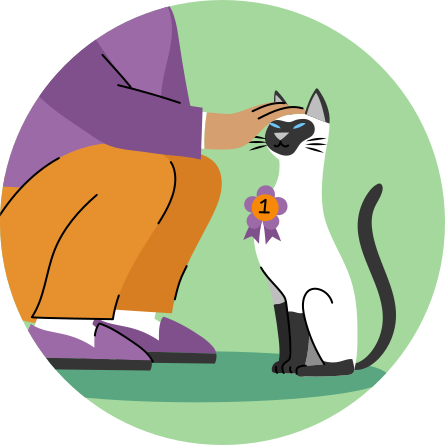
Perfect pet parent
"I am 100% confident that my veterinary surgeon and nurses know what is best for my cat when it comes to parasiticides. In my experience, they've always been supportive and knowledgeable and prioritise my cat's welfare."
Key characteristics
- Agreeable
- Introverted
- Older adults with teenage or grown-up children who have left home
Attitudes to parasiticides
- Will buy treatments from your practice and follow your advice
Relationship with their cat
- Prioritise the health of their cat above all else
Spending habits
- Mid to low earners with an average income of €44,930 per annum
- Costs for their cat aren't a concern, but they prefer to limit spending where possible. E.g. they don't tend to buy 'extras' or luxury items for their cat
How to reach them
- Conversations in the clinic
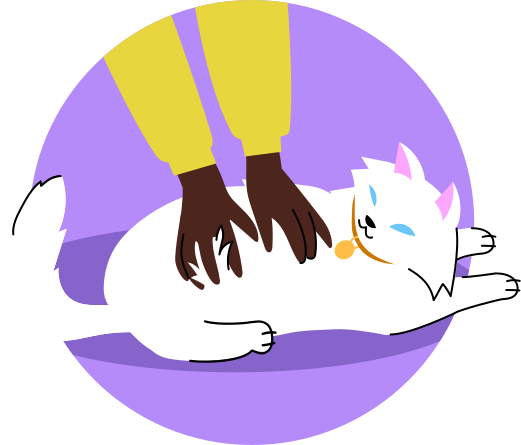
Gentle guardian
"My veterinary surgeon and nurses care about helping me keep my cat happy and healthy. While my cat is a like a family member, I know they're descendants of wildcats, so I treat and care for them”
Key characteristics
- Open
- Agreeable
- Tend to be older, more experienced owners, living in household with children
Attitudes to parasiticides
- Unlikely to give parasiticides preventatively but will follow your advice. Most likely to prioritise vet recommendation and cat safety when choosing a parasiticide
Relationship with their cat
- Have a strong bond with their cat and see them as part of the family
Spending habits
- Lowest earners among our owner personas with average income €38,775 per annum
- Spend on what is needed to keep their cat healthy, but are unlikely to have insurance
How to reach them
- Conversations in clinic
Extra-confident Carer
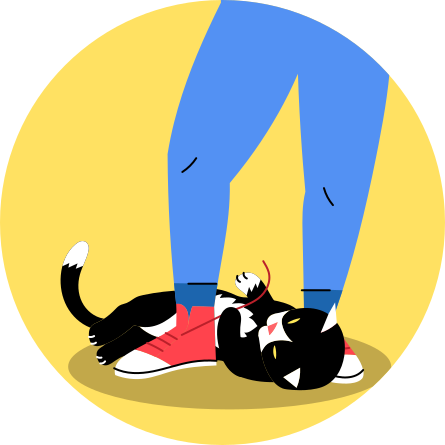
“I know what is best for my cat keeping things as natural as possible. I’m the one who lives with them and spends time reading about diagnoses, conditions, and remedies for them.”
Key characteristics
- Self-assured
- Single-minded
- No children
Attitudes to parasiticides
- Prioritise natural remedies and limiting stress on their cats; your advice is taken lightly
Relationship with their cat
- Love their cat without humanising it
Spending habits
- Second to lowest earners with average income of €42,230 per annum
- Spend more on quality products, but will reduce costs that aren't essential items to them
How to reach them
- Handouts and brochures at the practice
Pet pamperer
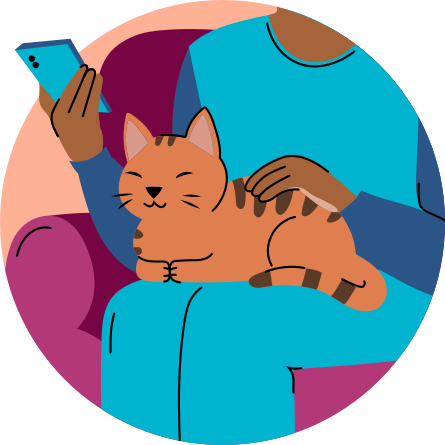
“My cat is my baby, best friend, and soulmate— I like to spoil them! I care about them and will browse the internet and take my cat to the clinic whenever I notice something’s wrong.”
Key characteristics
- Laid back
- Impulsive
- Tend to be younger adults with toddlers or babies
Attitudes to parasiticides
- Treat once symptoms occur; unaware of the need for prevention
Relationship with their cat
- Strong emotional ties, cats are treated like a human or 'baby'
Spending habits
- Second highest earners with an average income of €49,420
- Open to paying for luxuries and are also more likely to have pet insurance and monthly subscription boxes
How to reach them
- Social media campaigns; influencer lead advice
Peacekeeper
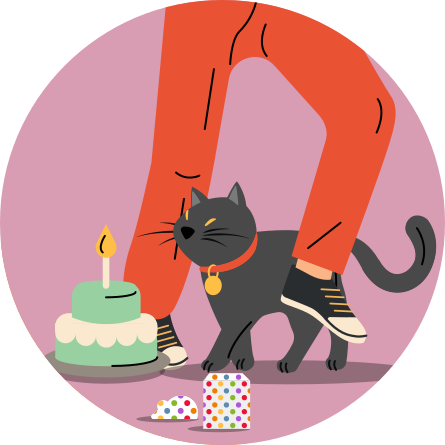
“I will do anything it takes to maintain the special bond I have with my cat, and sometimes it means I’ll avoid anything that stresses them out, like giving them tablets, trimming their claws, etc.”
Key characteristics
- Emotionally sensitive
- Cautious care-givers
- Young families with children living at home
Attitudes to parasiticides
- Find the treatment stressful, so limit applying them. Most likely to Google alternative treatments that cause the least stress to their cat
Relationship with their cat
- They love their cat, and are concerned about negatively impacting the bond they have with their cat
Spending habits
- Average earners with an average income of €45,520 per annum
- Open to spending money on cats and are also likely to have pet insurance and monthly subscription boxes
How to reach them
- Social media ads, including from influencers within the industry, online campaigns, tips from favoured brands, printed product inserts
Practical provider
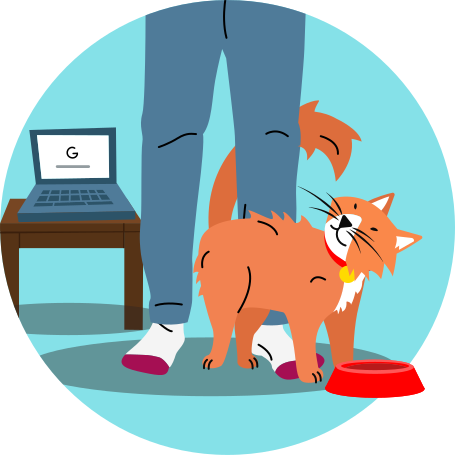
“I will always find the cheapest option for my cat. To save money on veterinary costs, I only take my cat to the veterinarian if it’s necessary.”
Key characteristics
- Assertive
- Emotionally resilient
- Likely to have teenagers living at home
Attitudes to parasiticides
- Tend to avoid pre-emptive treatment of their cat, and take action only when symptoms occur
Relationship with their cat
- Very much view their cat as a cat, rather than humanising it
Spending habits
- Third highest earners with an average income of €46,375 per annum
- Despite having disposable income, they cut back on many cat-related costs. Would rather wait for their cat to recover on their own than take them to a vet
How to reach them
- Social media, including the use of partnerships with influencers within the industry, online campaigns and Google reviews.
Feline fashionista
“My cat has 17k followers on Instagram—my baby is a celebrity! Yes, they are spoilt, and I’ll do anything to make their lives stress-free, like avoiding monthly tablets if possible.”
Key characteristics
- Extroverted
- Emotionally sensitive
- Young families with children at home
Attitudes to parasiticides
- Find the treatment difficult to apply and are worried about them stressing out their cat. Have a limited understanding of parasitic zoonoses and the importance of parasite preventions
Relationship with their cat
- Share their cats online; treat them like human babies or accessories. Their cat's appearance is important to them, and they place a stronger emphasis on pure breeds
Spending habits
- Highest earners with an average income of €59,460 per annum
- They love spending money on their cat, and have many items to entertain their cat in the house
How to reach them
- Social media, including the use of partnerships with influencers within the industry, online advertorials and advice from veterinarians and nurses
While some owners will follow your guidance to a tee, others are more reluctant. In those cases, it is crucial to demonstrate that their cat’s well-being is also in our best interest, and we explore ways we can work with them.
Irrespective of their owner persona, it’s clear that each of our survey respondents loves their cat. Yet, gaining a nuanced understanding of different types of cat owners and their attitudes towards parasite control will empower you and your team to adapt the conversations you have with them accordingly and ultimately improve the well-being of cats.


